
Peugeot Manuals
Models
Select a model to view manuals.
Peugeot as a Global Automotive Brand with a Distinctive Identity
Peugeot is one of the most established automotive brands in the world, with a history that extends far beyond the modern car industry. Originating in France, the brand has grown into a global manufacturer known for practical design, wide model diversity, and a strong connection to everyday driving needs. Peugeot vehicles are found across Europe, Africa, South America, and parts of Asia, making the brand recognizable in both developed and emerging markets.
Rather than focusing on extremes, Peugeot has traditionally positioned itself as a manufacturer of balanced vehicles—cars designed to handle real roads, varied climates, and long-term use. This philosophy has allowed Peugeot to maintain relevance across generations of drivers with very different expectations and lifestyles.
From Industrial Roots to Automotive Legacy
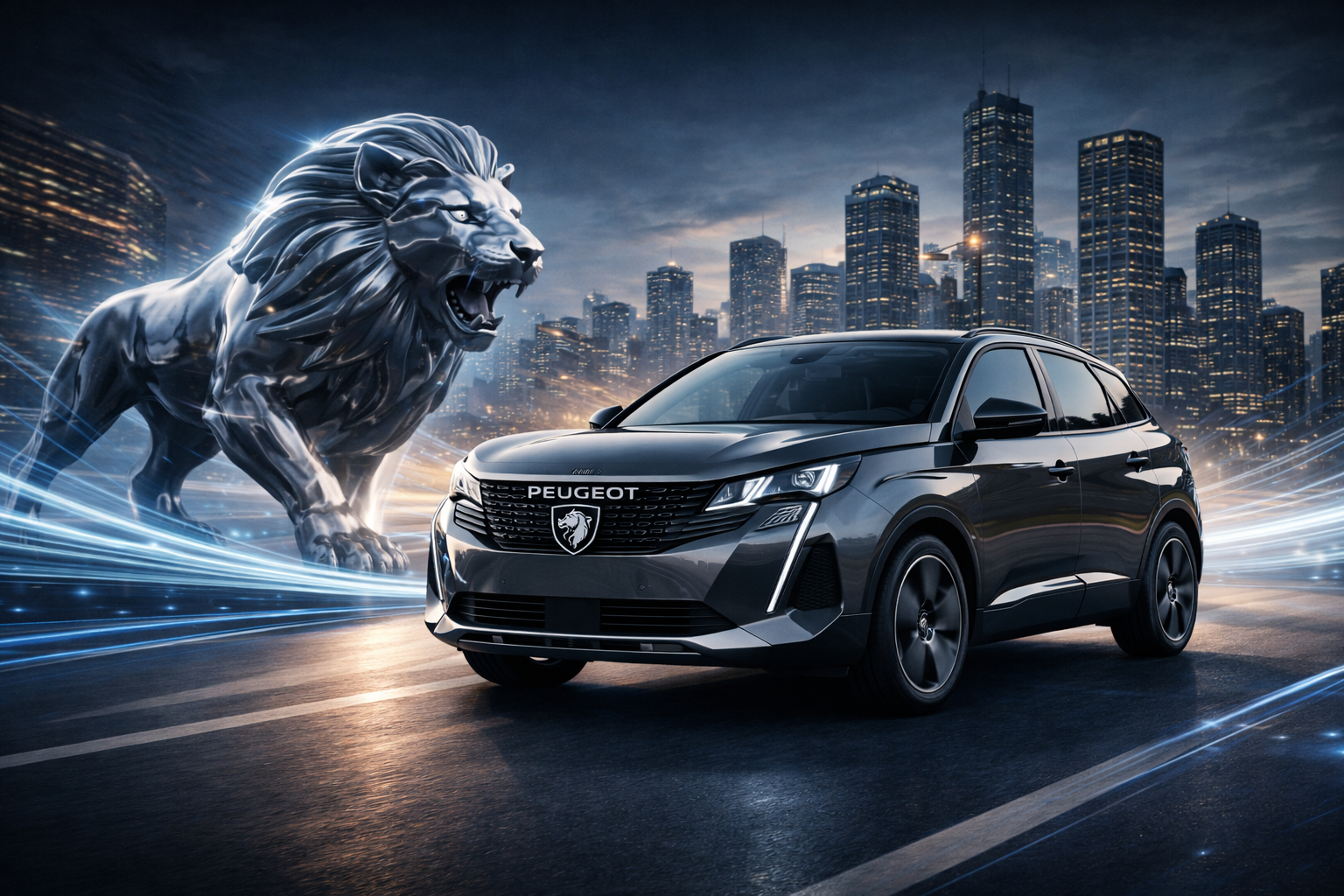
Peugeot’s story began long before automobiles became widespread. The company started as an industrial manufacturer in the early 19th century, producing tools, metal goods, and mechanical components for a variety of industries. This early focus on metallurgy and precision manufacturing helped shape a culture of engineering discipline that would later influence Peugeot’s approach to vehicle production.
When Peugeot entered the automotive sector at the end of the 1800s, it carried this industrial mindset into its earliest cars. Rather than pursuing novelty alone, the brand emphasized mechanical reliability, functional design, and ease of use. These principles allowed Peugeot to develop vehicles that were well suited to varied road conditions and early driving environments, laying the groundwork for long-term brand recognition.
Throughout the 20th century, Peugeot steadily expanded its automotive lineup, earning a reputation for durability and comfort across multiple markets. Many classic Peugeot models became known for their ability to withstand rough road conditions and long service lives, particularly in regions where infrastructure varied greatly. This adaptability helped establish Peugeot as a trusted global brand, extending its influence far beyond Western Europe.
Design Language and Everyday Practicality
Peugeot design has evolved significantly over time, yet the brand has consistently aimed to balance style with functionality. Exterior styling often emphasizes clean lines and strong proportions rather than short-lived trends, allowing many Peugeot models to age gracefully.
Inside, Peugeot vehicles are typically designed with practicality in mind. Cabin layouts prioritize clear visibility, accessible controls, and efficient use of space. This approach reflects an understanding that most vehicles are used daily, not only for short trips but also for longer journeys and varied driving scenarios.
Driving Character and Brand Philosophy
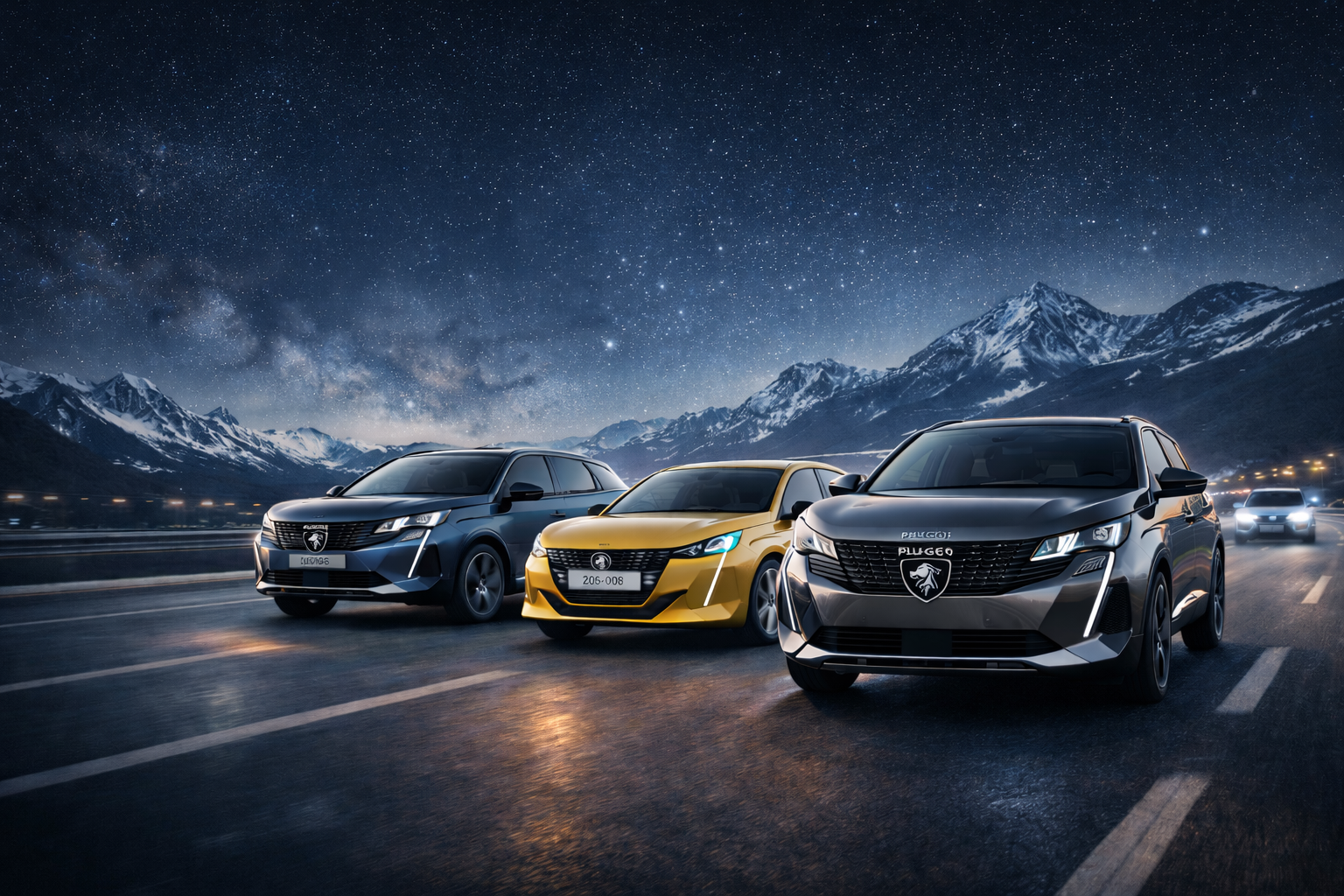
The driving experience offered by Peugeot vehicles is shaped by predictability and comfort rather than aggressive performance. Suspension setups tend to favor ride stability, while steering systems are tuned for ease of use in both urban and highway conditions. This makes Peugeot models approachable for a wide range of drivers, including those who value relaxed and confident driving.
Over the years, Peugeot has focused on refining how its vehicles behave in real-world conditions. Whether navigating city traffic or covering long distances, Peugeot cars are generally engineered to reduce fatigue and provide a consistent, composed feel behind the wheel.
A Broad and Diverse Model Range
One of Peugeot’s strengths lies in the diversity of its lineup. The brand has produced compact city cars, family hatchbacks, sedans, wagons, SUVs, and commercial vehicles, often tailoring models to suit regional demands. This wide coverage has allowed Peugeot to remain competitive in multiple segments simultaneously.
Popular models have played a key role in shaping the brand’s global presence, particularly in the compact and mid-size categories. Many Peugeot vehicles have remained in production for extended periods or continued under licensed manufacturing, contributing to a large number of cars still in use today.
Peugeot Ownership and Long-Term Use
Peugeot vehicles are typically designed with long-term ownership in mind. Simple mechanical layouts, accessible service points, and clear system logic have historically made Peugeot models easier to maintain compared to more complex alternatives. This characteristic has contributed to strong brand loyalty in many regions.
For owners, understanding how a vehicle is designed to operate and be maintained plays an important role in preserving reliability and performance. Access to accurate, model-specific information supports informed ownership and helps ensure that vehicles continue to perform as intended throughout their lifespan.
Peugeot in the Modern Automotive Landscape
Today, Peugeot continues to evolve as the automotive industry shifts toward electrification, connectivity, and digital integration. While embracing new technologies, the brand remains rooted in its core values of practicality, efficiency, and accessibility.
This balance between tradition and adaptation defines Peugeot’s position in the modern market. By combining decades of engineering experience with contemporary design and production methods, Peugeot continues to offer vehicles that feel relevant, usable, and familiar to drivers around the world.
As a global automotive brand with deep historical roots, Peugeot represents a practical approach to mobility—one shaped by real-world use, long-term durability, and an understanding of how people actually drive and live with their vehicles.